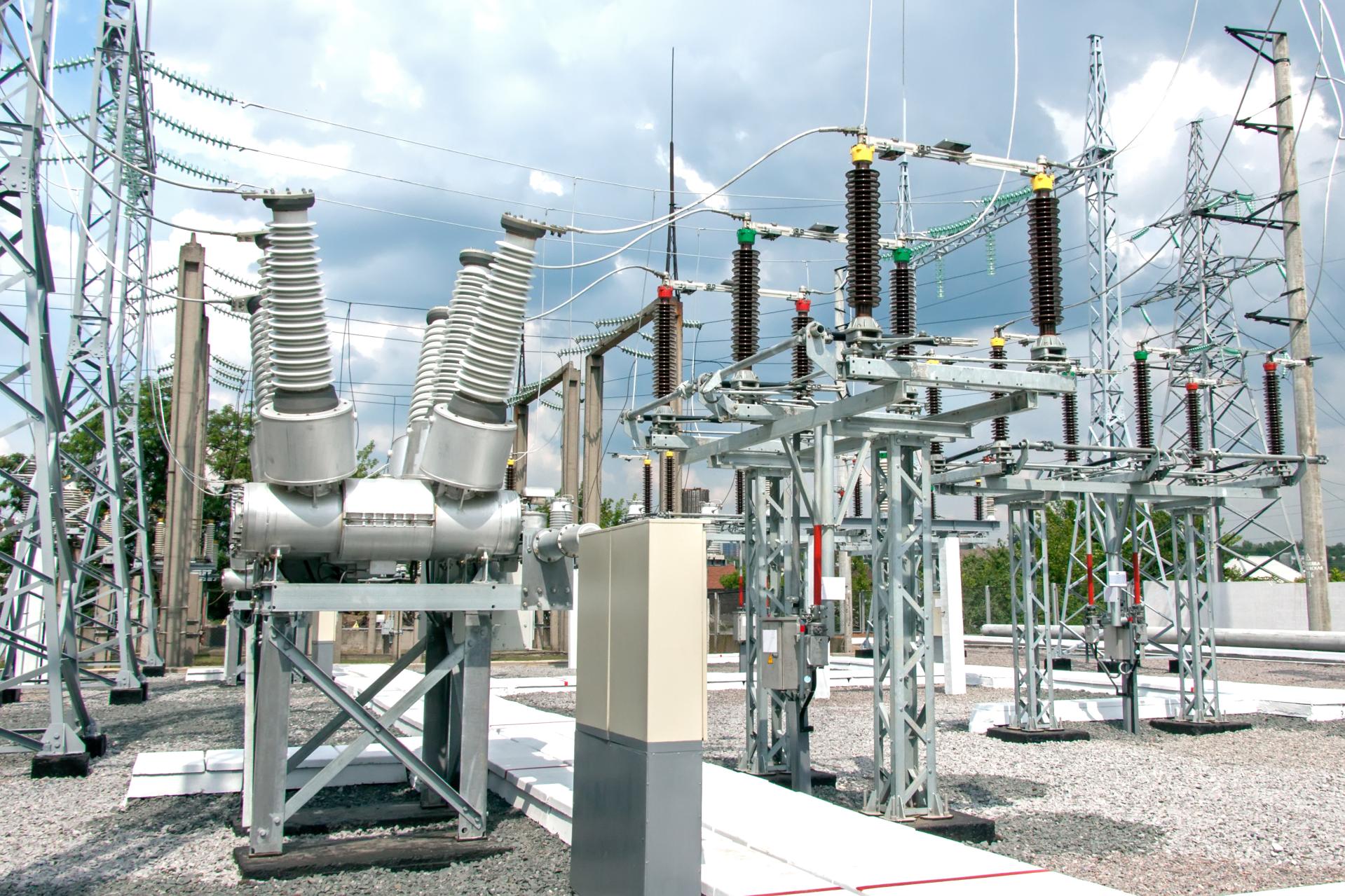
What is BESS?
Battery energy storage systems (BESS) store electrical energy for later use, providing power during peak demand and stabilizing the grid. These are often paired with solar or wind farms and can also function as stand-alone systems supporting power generation operations. BESS are typically banks of lithium-ion batteries with control systems, inverters, and grid connections. As technology advances and long-duration storage needs increase, we can expect to see alternative battery chemistries or other energy storage methods using heat, pressure, flywheels, or gravity.
Common chemistries and risk profiles
- Lithium-ion (most common): high energy density and efficiency; risk of thermal runaway, fire, explosion, toxic combustion products — mitigated by BMS and fire protection.
- Lead-acid: lower energy density, less thermal runaway risk, environmental hazards from lead and acid.
- Flow batteries: liquid electrolytes, lower fire risk, scalable capacity, higher initial cost.
- Sodium-ion: emerging; lower energy density but improved safety and lower material cost.
Liberty Appetite
Project phase
Products
Line Size / Capacity max (USD)
Puerto Rico
Line Size / Capacity max (USD)
LatAm
Finance/Design
Products
- Professional indemnity
Line Size / Capacity max (USD)
Puerto Rico
$5M1
Line Size / Capacity max (USD)
LatAm
$5M1
Construction
Products
- Construction/Erection All Risks (EAR)
Delay in Start-Up
- Environmental Impairment Liability (EIL)
Line Size / Capacity max (USD)
Puerto Rico
$75M2
$5M1
Line Size / Capacity max (USD)
LatAm
$75M2
$15M2
Operational
Products
- Operational ‘All Risks’ Property Damage
Machinery Breakdown
Business Interruption
- Environmental Impairment Liability (EIL)
- General Liability
- Umbrella
- Excess Casualty
Line Size / Capacity max (USD)
Puerto Rico
$30M2
$15M1
$2M1
$10M1
$10M1
Line Size / Capacity max (USD)
LatAm
$150M2
$15M2
$25M1
$25M1
$25M1
Decommissioning
Products
- Environmental Impairment Liability (EIL)
Line Size / Capacity max (USD)
Puerto Rico
$5M1
Line Size / Capacity max (USD)
LatAm
$5M1
1 - acceptable
2 - target
Please note: Shown maximum line sizes reflect indicative capacity. Individual line size for a specific risk will be determined by underwriting and may be reduced according to the risk characteristics of the account. This Appetite guide is informational and not binding. Capacities shown are indicative and subject to change.
Construction Phase
Property
During construction BESS are exposed to physical and electrical failure that can result in thermal runaway and can rapidly escalate—mechanical damage, moisture ingress, incorrect installation or grounding, and unsafe commissioning can trigger internal shorts, thermal events and containment damage. Once started, thermal runaway is extremely difficult to stop, making mitigation efforts much more critical. These risks threaten the asset, delay schedules and increase remediation complexity; primary controls are focused on robust handling, staged energization and validated installation checks supported by mechanical and electrical FAT/SAT protocols.
General liability
Construction activities create acute safety hazards for workers and the public, including electrical shock/arc flash, thermal‑runaway emissions (smoke/toxic gases), blast/projectile risks and chemical exposure from leaked electrolyte. Managing general liability risk emphasizes engineered exclusion zones, controlled lifting and hot‑work practices, lockout/tagout and remote commissioning where possible, real‑time detection/ventilation, trained personnel and coordinated emergency response with local responders.
Coverage type
Core Loss Scenarios
Key Mitigations
Builder’s Risk
Core Loss Scenarios
Thermal runaway fires, damage to components, incipient (non-battery cell) electrical fires, interconnection systems to grid, theft and project equipment damage from outside party, transit damage to cells/modules, premature energization/commissioning faults, fire during assembly (hot works), weather/foundation damage
Key Mitigations
- Procurement & logistics controls: vendor pre‑qualification, chain‑of‑custody, shipment inspections, secure laydown areas.
- QA/FAT/SAT: witnessed factory acceptance, documented torque/wiring checklists, staged energization and controlled first charge with BMS validation.
- Temporary site protections: segregation/barriers between modules, temporary ventilation, fire watch during hot works, spill containment for cell handling.
- Contractual: clear EPC scope, holdbacks/retentions, performance bonds and latent defect periods.
- Separation/layout to mitigate fire during hot testing & commissioning. Look for UL9540A test method
- Emergency response plan in place
General liability
Core Loss Scenarios
Injury to workers/visitors, damage to adjacent property, pollution from electrolyte spills during handling.
Key Mitigations
- Safety programs: hot‑work permits, confined‑space procedures, certified lift plans and crane supervision, trained battery‑handling crews.
- Emergency planning: on‑site first aid/fire suppression, pre‑incident liaison with local fire services, spill kits and containment.
- Contractual risk allocation: indemnities from subcontractors, evidence of subcontractor insurance and limits.
Environmental
Core Loss Scenarios
Battery fire leading to toxic gas release, dust emissions, leak of hazardous substances such as fuel, oil, or concrete slurry, natural habitat loss or degradation
Key Mitigations
- Emergency response plans and proper fire control to minimize toxic gases and explosion risks
- Facility design accounts for potential water used for fire control
- Retention pond to contain fire control water runoff
Operational Phase
Property
In operational, BESS face sustained technical risks that can lead to rapid, high‑severity property loss—cell or module failure, thermal runaway and cascade propagation, inverter or control system faults, and accelerated degradation from improper charge regimes or overheating. Causes include aging, electrolyte leaks, poor thermal management, protection miscoordination or firmware errors. Mitigations center on engineered resilience: cell‑level monitoring & robust BMS/EMS integration, active/passive thermal management, venting/ compartmentation, preventative maintenance, suppression strategies, redundancy for critical inverters/controls, and continuous telemetry and anomaly detection to enable rapid safe‑shutdown.
General liability
Operational incidents can produce off‑site impacts and direct harm via smoke and toxic off‑gassing, fire spread, arc flash events for responders, and hazards during manual intervention. Controlling general liability risk relies on technical and procedural layers: gas/smoke detection with automated isolation and ventilation, clear responder‑facing site diagrams and hazard briefs, practiced emergency response and mutual‑aid arrangements, OT segmentation and secure remote shutdown capability, and strict maintenance protocols to minimize human exposure. Together these measures reduce the likelihood of incidents and limit consequences to personnel, first responders and the surrounding community.
Coverage Type
Core Loss Scenarios
Key Mitigations
Property
Core Loss Scenarios
Thermal runaway fires, business interruptions
Key Mitigations
- Recognized standards and certifications such as UL, DNV, TUV SUD, IEEE, IEC, NFPA (855)
- Recognized battery cell manufacturer and major project components (inverters, transformers, BMS/controls, HVAC, etc.)
- Warranties in place for handover from construction to operational
- Independent Engineer’s review per NFPA 855
- UL9540A thermal runaway/gas development tests completed — report available
- Use experienced suppliers, engineers, O&M teams, and overall project management
- Project security (fencing, motion detectors, 24/7 monitored remote cameras)
- Emergency response plan in place
General liability
Core Loss Scenarios
Failure to supply, third-party property damage, wildfires, injury to third parties
Key Mitigations
- System tests with continuous improvement
- Battery replacement program
- Well-executed preventative maintenance and emergency repair plan
- Contractual Risk Transfer
- Safety signage and cameras
Environmental
Core Loss Scenarios
Thermal runaway fires, improper battery disposal
Key Mitigations
- Emergency response plans and proper fire control to minimize toxic gases and explosion risks
- Facility design accounts for potential water used for fire control
- Retention pond to contain fire control water runoff
- Immediate isolation, licensed remediators, sampling/monitoring plans and regulatory notifications.
Key points of contact
Coverage type
Underwriter (PR)
Underwriter (Latam)
Notice:
This document is for general informational purposes only and does not constitute engineering, legal, or insurance advice. It also does not constitute a firm offer to sell any insurance or reinsurance product. Any coverage described is subject to underwriting approval, terms, conditions, limitations, and exclusions set forth in the applicable contract. Limits and capacities shown may change without notice.